


The NEXT Summit Valletta 2025, held on May 7–8 at the Mediterranean Conference Center in Malta, brought together over 6,000 delegates from the global iGaming industry. A significant highlight was the Finnish iGaming Panel, which provided in-depth insights into Finland’s forthcoming transition from a gambling monopoly to a regulated licensing system. This shift, set to commence in January 2026, marks a pivotal change in the European iGaming landscape.
Finland’s Regulatory Overhaul: From Monopoly to Licensing
Finland’s move to dismantle its gambling monopoly in favour of a licensing model is driven by the need to address a declining channelization rate and the proliferation of unregulated operators. Mika Kuismanen, CEO of The Finnish Trade Association for Online Gambling, highlighted that the legislative process has been influenced by both market dynamics and stakeholder advocacy. The EU notification period, extended to March 4, 2025, due to feedback from Malta, is a critical step before the anticipated parliamentary approval in summer 2025.
Key Features of the Upcoming Finnish Gambling Law
Pekka Ilmivalta, Head of Office at Nordic Legal, outlined the main components of Finland’s new gambling legislation:
- Licensed Market: Online casinos, slots, bingo, and sports betting will be available under five-year licenses.
- Monopoly Retention: Lotteries, scratch cards, physical casinos, and land-based slot machines will remain under state control.
- Taxation: Licensed operators will be subject to a 22% Gross Gaming Revenue (GGR) tax and an annual supervision fee ranging from €4,000 to €400,000.
- Responsible Gambling: Strict player protection measures, including self-exclusion tools and duty of care protocols, will be mandatory.
- Marketing Restrictions: While marketing is permitted, affiliate marketing will be prohibited, and bonuses will be limited to existing customers.
- B2B Licensing: Suppliers will be required to obtain B2B licenses starting January 2028.
Ilmivalta emphasized that while the framework aims to balance market attractiveness with player protection, the exclusion of certain enforcement tools like IP blocking and payment restrictions may pose challenges in curbing unlicensed operations.
Strategic Preparations for Market Entry
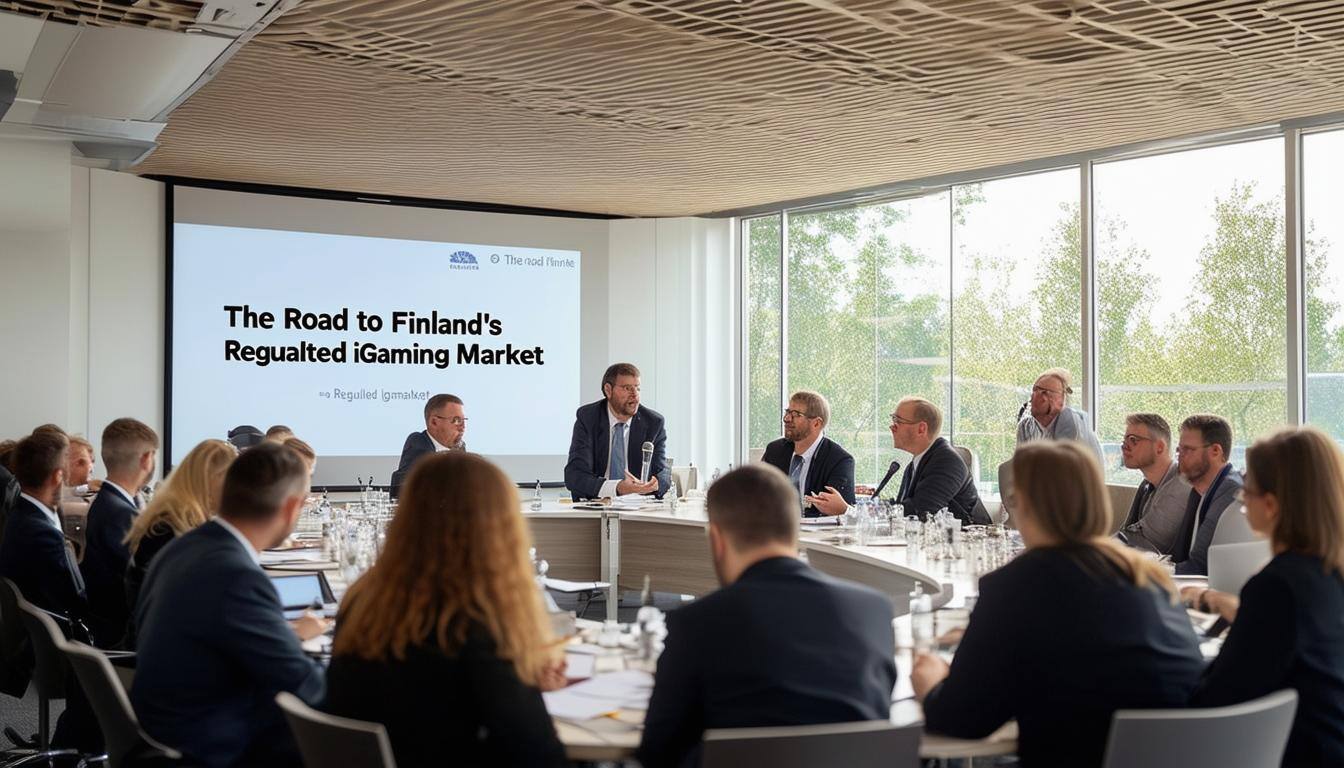
Jaakko Soininen, Managing Director at Finnplay Technologies Oy, advised operators to initiate preparations promptly to ensure readiness for the licensing process beginning January 1, 2026. Key preparatory steps include:
- Compliance Documentation: Gathering necessary documentation for directors and ultimate beneficial owners.
- Operational Readiness: Establishing self-monitoring and duty of care processes.
- Supplier Agreements: Securing commitments from key suppliers to obtain B2B licenses by 2028.
Soininen noted that while technical regulations are still under development, early engagement with the regulatory framework will position operators favorably in the new market.
ALSO READ: Finnish Panel Raises Alarm: Gambling Reform May Lead to Greater Public Harm
Anticipated Challenges and Opportunities
The panelists acknowledged that Finland’s regulatory model draws elements from other European markets like Sweden and the Netherlands, presenting both familiar and unique challenges. Operators can expect:
- Regulatory Reporting: Comprehensive reporting requirements, details of which are forthcoming.
- Marketing Limitations: Restrictions on customer incentives and the prohibition of affiliate marketing.
- Technical Compliance: Pending development of technical standards necessitates adaptability.
Despite these challenges, the Finnish market offers substantial opportunities, given its size and the current prevalence of unregulated gambling activities. Successful channelization will depend on the market’s appeal to both operators and players.
Finland’s move towards a regulated iGaming market represents a significant shift with the potential to reshape the European gambling landscape. Operators aiming to enter this market should commence preparations immediately, focusing on compliance, responsible gambling measures, and strategic positioning to navigate the forthcoming regulatory environment successfully.